
City of Harrison
Arkansas
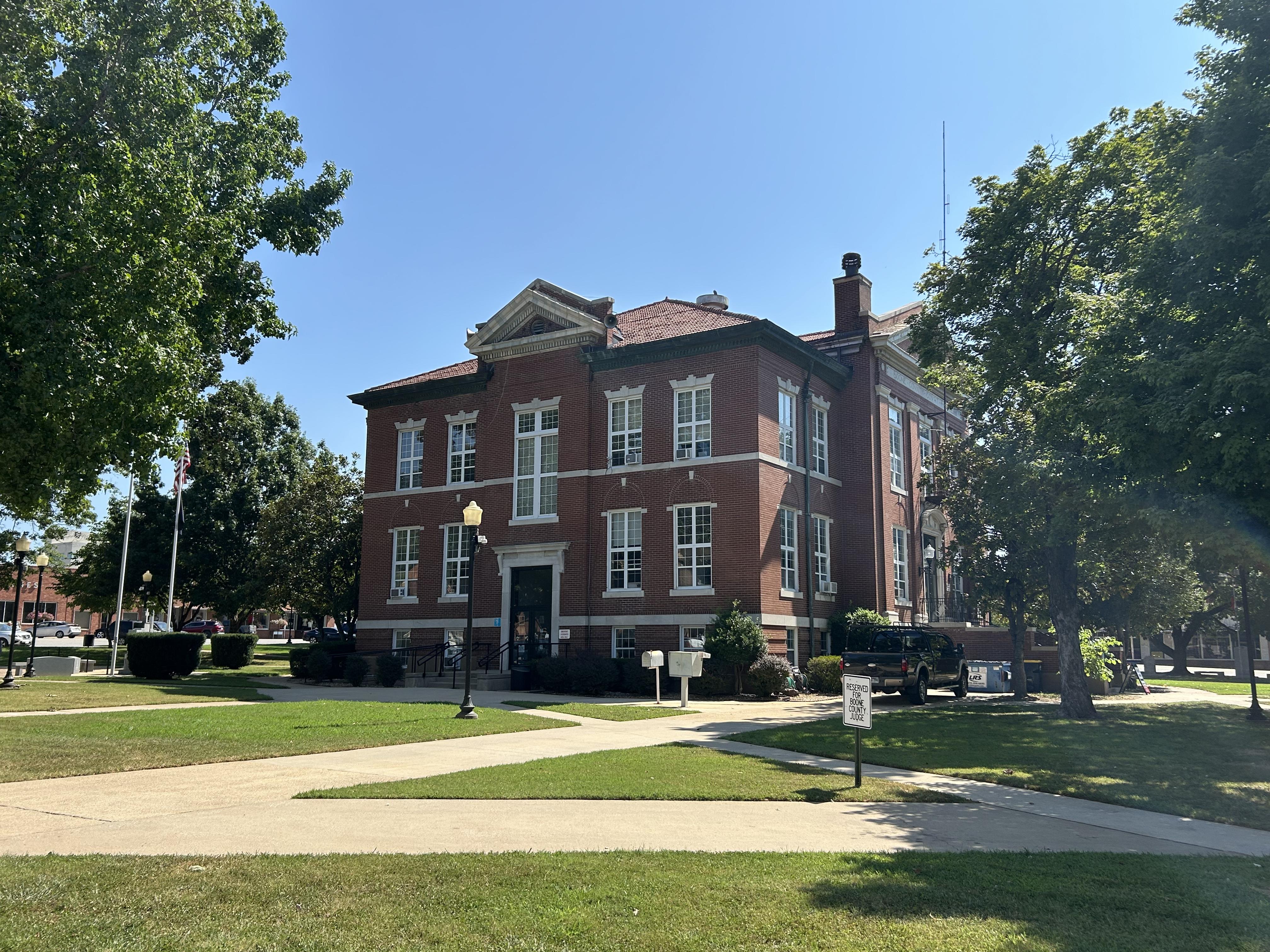
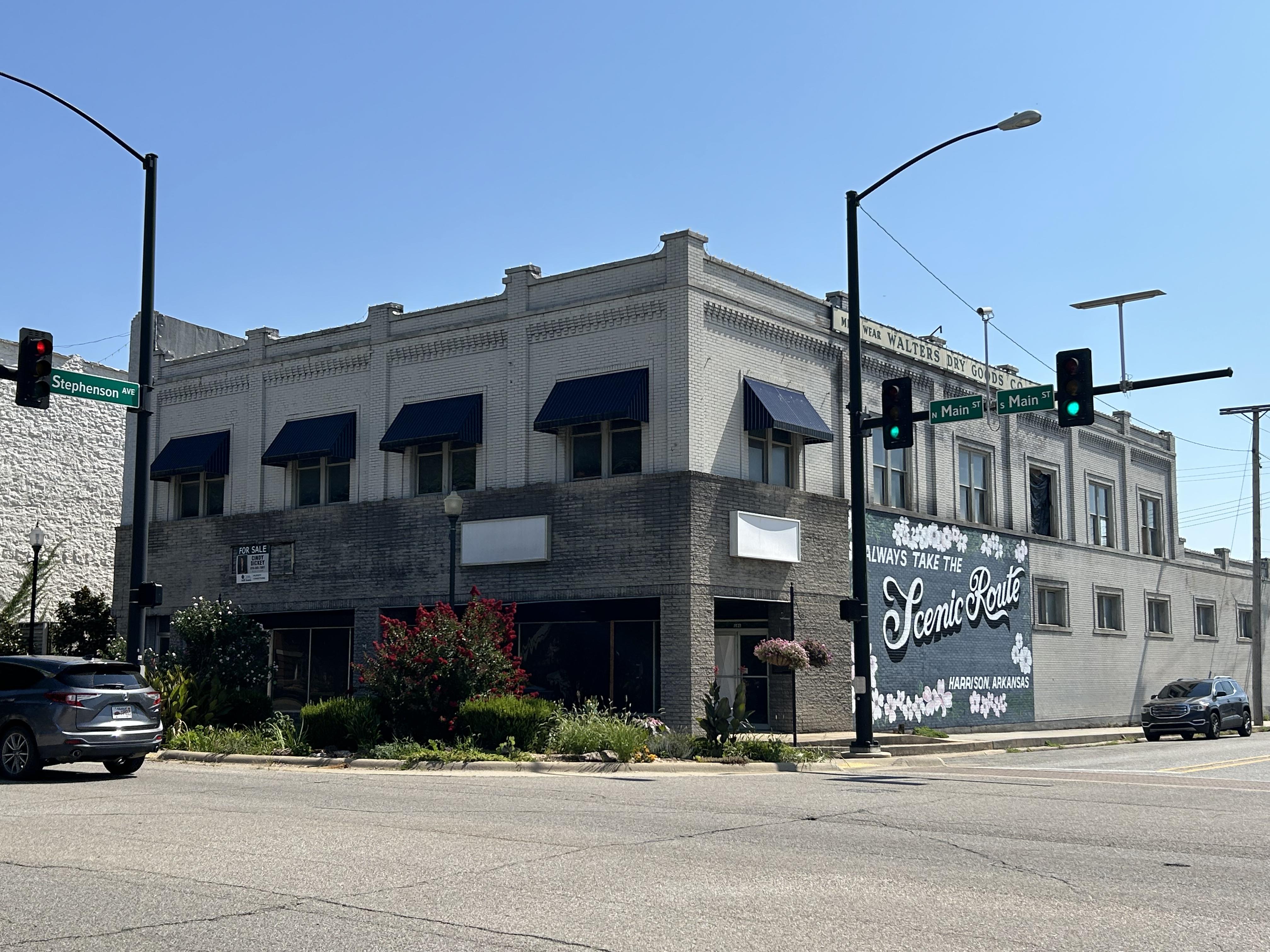
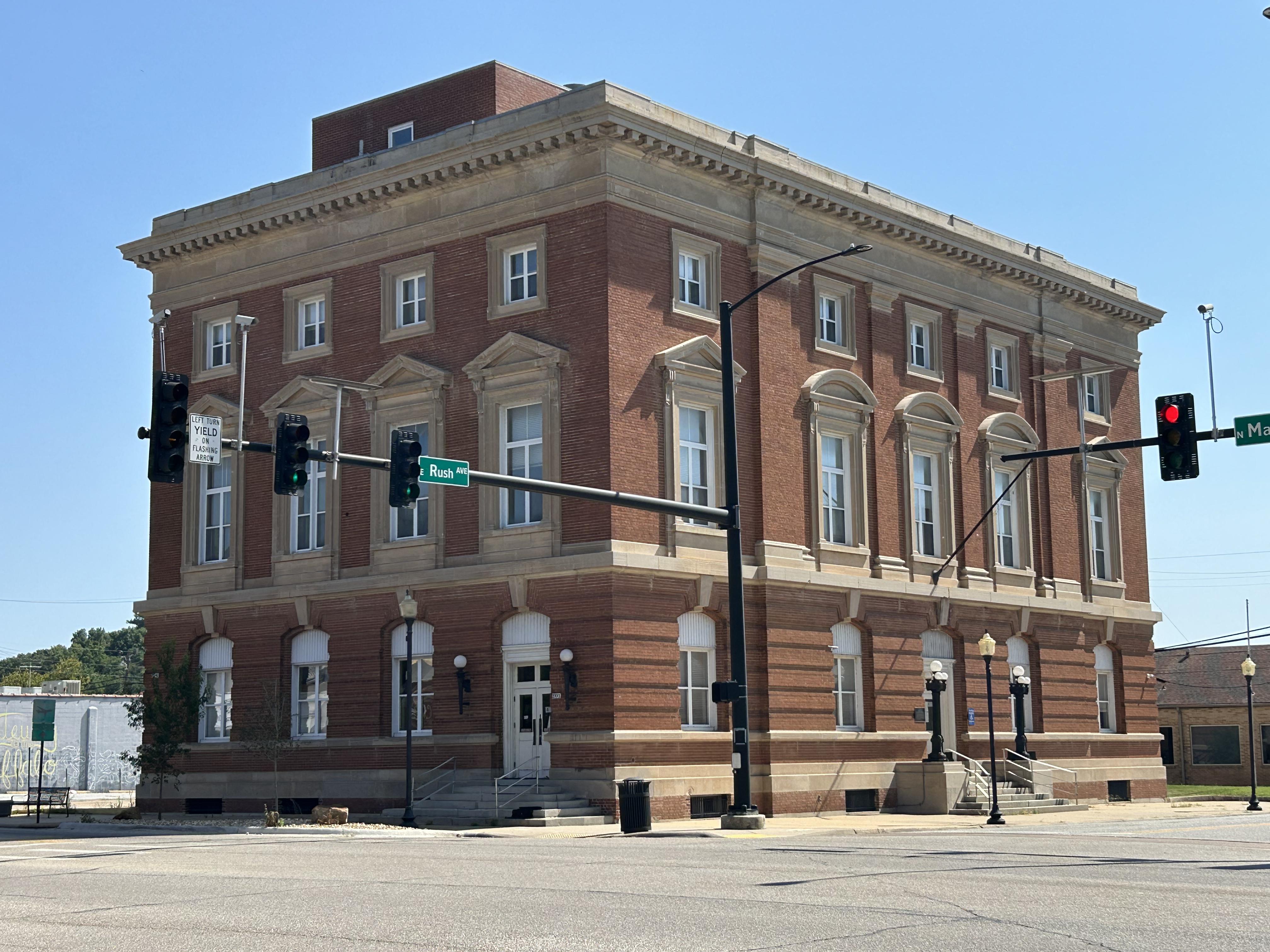
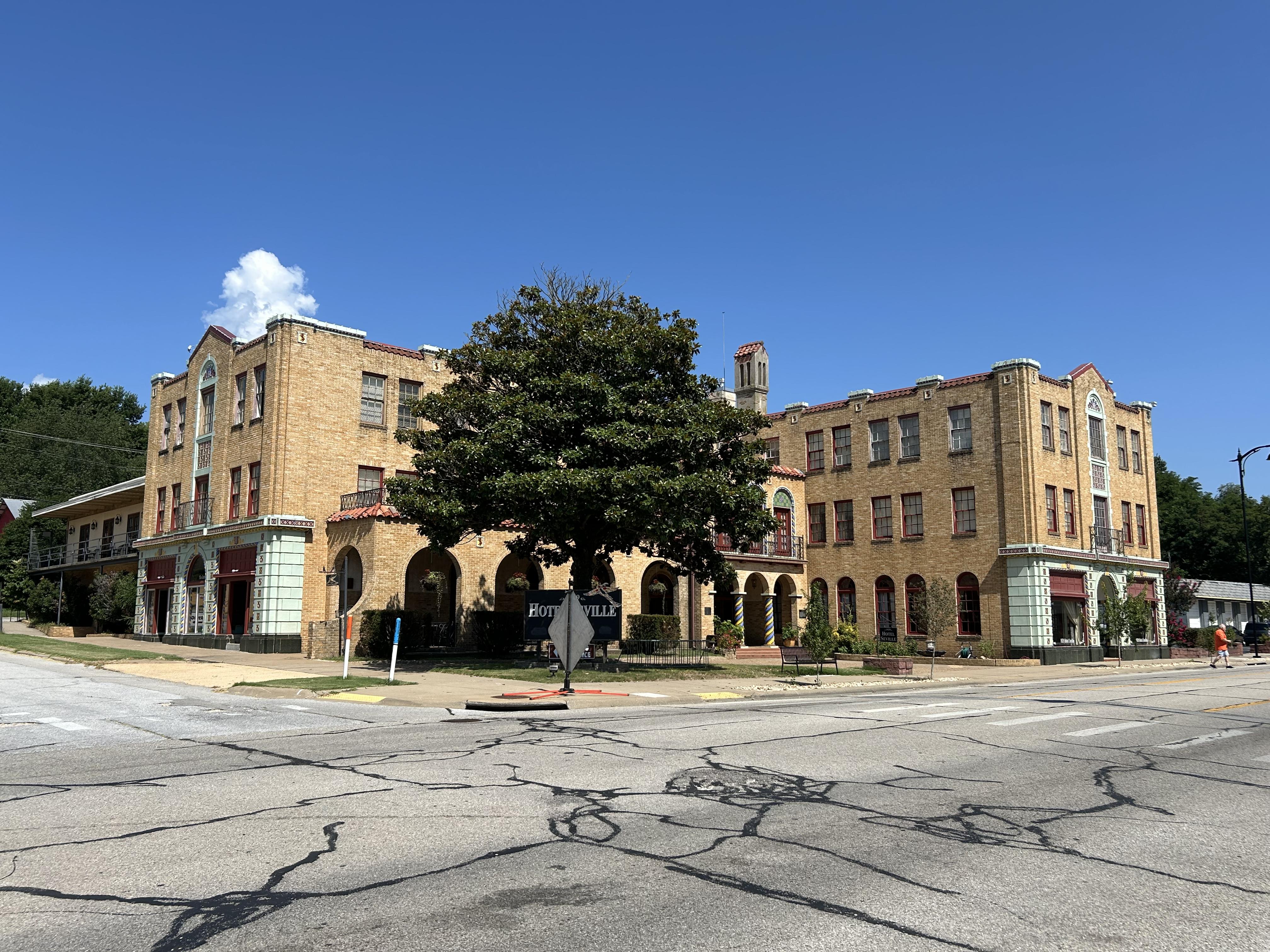
The Harrison Historic District Commission meets on the second Monday of the month at 1 p.m. Watch the City's event calendar for updates and agendas. For more information call COO Wade Phillips at 870-741-3434.
A public hearing was held in Jan. 2026 to present the Commission’s report and recommendation to establish a Local Ordinance District for the Harrison Courthouse Square Historic District and to receive input from local officials, stakeholders, and the public. Establishment of a Local Ordinance District would empower the Harrison Historic District Commission with design review authority within the district. Such design review authority would apply to major exterior alterations, additions, and new construction within the district. Design review authority would not apply to ordinary maintenance and repair of exterior features within the District which do not involve a change in design, materials, or outer appearance. Additionally, design review authority would not apply to interiors of buildings or how a property is used.
The following documents related to the public hearing are available for review and download:
Map of the Harrison Courthouse Square Historic District (PDF)
Ordinance No. 1528 - Creation of Historic District Commission (PDF)
The public is encouraged to offer feedback regarding the report and recommendation to establish a Local Ordinance District for the Harrison Courthouse Square Historic District. Members of the public, stakeholders, property owners, and public official will be allowed to offer comments at the public hearing. Written comments can be submitted to the Department of Public Works via email to wphillips@harrisonar.gov or via US mail to P.O. Box 1715, Harrison, AR 72602.
Arkansas cities and counties are authorized by the Arkansas Historic Districts Act to enact local laws for the “preservation and protection of buildings, sites, places, and districts of historic interest.” (Arkansas Code Annotated, Sec. 14-172-201, et seq.) A local preservation ordinance can help preserve a historic downtown or neighborhood while allowing for future development compatible with the area’s historic character.
The National Register of Historic Places is maintained by the National Park Service. As the official list of places in America worthy of preservation, properties on the National Register may be eligible for grants or tax incentives. More than 2,000 Arkansas sites, districts, structures, and objects are listed on the National Register of Historic Places. The National Register is primarily an honorary designation; however; it provides little or no protection from demolition, alteration, or neglect.
In a locally designated historic district, most exterior work must first receive a Certificate of Appropriateness (COA) from the local Historic District Commission before changes are made to a property. The historic district commission will review additions, demolitions, new construction, signage, streetscape features, and rehabilitation and restoration projects.
Local historic districts can only be created by a local ordinance passed by the local governing body. Before consideration by the governing body the local planning commission and the Arkansas Historic Preservation Program (AHPP) are afforded the opportunity to comment on the proposed historic district. The city must create a historic district commission, which will hold one or more public hearings on the formation of the district. After the public hearing, the HDC will propose an ordinance to the governing body designating the local historic district. The district is created when the governing body enacts the ordinance.
Upon the designation of a new local historic district, the HDC should work closely with property owners, residents, and merchants within the historic districts to develop a set of design guidelines customized especially for the needs of that particular district. An HDC should review its guidelines each year to ensure they remain relevant and sensitive to the needs of each historic district.
Any design guidelines adopted by an HDC should be, at a minimum, consistent with the Secretary of the Interior’s Standards for Rehabilitation. These 10 broad principles of preservation are widely recognized throughout the United States as a model for considering changes in historic districts.
No. When a local historic district is designated, property owners can continue to maintain a building’s current appearance for as long as they like. Local historic districts only require that subsequent changes be compatible with the historic surroundings and not destroy any historic materials.
Cities and counties adopt various building codes to ensure the safety and livability of all structures, regardless of historic significance. Some preservation ordinances feature a “demolition-by-neglect” provision that allows the local government to intervene if a property owner is intentionally letting a building deteriorate so it can be demolished.
A local historic district can delay or prevent the demolition of structurally sound buildings that are historic. If a historic building was found to be unsalvageable with reasonable investment or unsafe after expert review it could be demolished.
Yes. Local historic districts can ensure that new buildings, as well as additions to existing buildings, will not overwhelm or detract from the district’s historic character. New buildings do not need to be imitations of historic buildings or styles.
Yes. “Ordinary maintenance” (work that does not involve a change in materials or appearance) does not usually require commission review. Additionally, all HDCs are prohibited from considering any interior arrangements or how a property is used.
Here are some examples of design guidelines from historic districts in Arkansas that give an idea of the variety of approaches to the guidance of change over time. These districts may have historic resources from different time periods and of different styles, but they are all based on the Secretary of the Interior's Standards.